
Call us now :08045802326
 Send Inquiry
 Send Inquiry
Ophthalmic Synoptophore Equipment
MOQ : 1 Unit
Ophthalmic Synoptophore Equipment Specification
- Equipment Type
- Ophthalmic Synoptophore Equipment
- Material
- MS
- Technology
- Digital
- Driven Method
- Electric
- Voltage
- 220-240 Volt (v)
- Usage
- Hospital
Ophthalmic Synoptophore Equipment Trade Information
- Minimum Order Quantity
- 1 Unit
- Delivery Time
- 10-15 Days
About Ophthalmic Synoptophore Equipment
Our organization has successfully expanded its business in allied market by manufacturing, exporting and supplying supreme quality Ophthalmic Synoptophore Equipment. This equipment is extensively used for diagnosing imbalance of eye muscles through orthoptic methods. The equipment provided by us is manufactured using superior quality components with the help of progressive techniques under the surveillance of our highly skilled professionals. Moreover, this Ophthalmic Synoptophore Equipmentcan be purchased from us in various specifications at reasonable prices.
Features:
- User friendly interface
- Accurate results
- Elevated durability
- Optimum performance
Other details:
|
Movement of Optical Tubes |
Horizontal: Adduction 50deg |
|
Slide Illumination |
By rheostat controlled 6V lamp for each slide. After image illumination by 6V lamp |
|
Auto Flashing |
Auto flashing of slide illumination either simultaneously or alternatively in rapid & variable modes |
|
Mode & Mode Selection |
Five modes of slide illumination namely Normal, Flashing Right, Flashing Left, Flashing R L & Auto flashing can be selected by a single selector knob. |
|
Dimensions |
Longitudinal: 30.3 cms |
|
Power Supply |
220 VAC |
|
Standard Accessories |
A set of slides containing 9 pairs |
|
Optional Accessories |
Instrument Table: manual or motorized |
Advanced Digital Technology for Eye Care
Featuring the latest digital advancements, this Synoptophore provides enhanced precision for examining and treating binocular vision problems. Its user-friendly controls and clear data displays support accurate diagnosis and efficient therapy, streamlining clinical workflows for ophthalmologists in hospitals.
Robust Construction for Long-Term Use
Constructed from high-quality MS, the Ophthalmic Synoptophore ensures durability and stability during regular hospital use. The solid build minimizes maintenance needs, extends equipment lifespan, and contributes to consistent, reliable performance in critical ophthalmic procedures.
FAQs of Ophthalmic Synoptophore Equipment:
Q: How does the Ophthalmic Synoptophore Equipment function in hospital settings?
A: This equipment operates using digital technology and an electric driving method to assess and train binocular vision functions. It allows ophthalmologists to carry out precise tests and therapeutic exercises related to eye alignment, aiding in efficient patient diagnosis.Q: What are the benefits of using digital Ophthalmic Synoptophore Equipment?
A: Digital technology offers highly accurate measurements, improved ease of operation, and enhanced efficiency in diagnosing and treating squint and other binocular vision disorders. It also facilitates faster data processing and reliable patient records.Q: When is the Synoptophore typically used during eye examinations?
A: Ophthalmologists utilize the Synoptophore during clinical assessments when a patient presents symptoms of eye misalignment or binocular vision disturbances. It is especially valuable during initial diagnosis and ongoing vision therapy sessions.Q: Where is this equipment manufactured and supplied from?
A: The Ophthalmic Synoptophore Equipment is manufactured, supplied, and exported by qualified companies in India. It is offered globally to hospitals seeking high-quality ophthalmic devices.Q: What is the process for using this equipment in eye care?
A: After connecting to a 220-240V power source, the device is digitally calibrated based on the patients needs. The clinician then conducts a series of visual tests, monitoring eye movements and responses to guide treatment or therapy as necessary.Q: How does the MS material benefit hospital usage of this equipment?
A: MS (Mild Steel) construction offers exceptional durability and stability, ensuring the device withstands frequent usage and cleaning cycles typical in hospital environments. This resilience safeguards performance over time.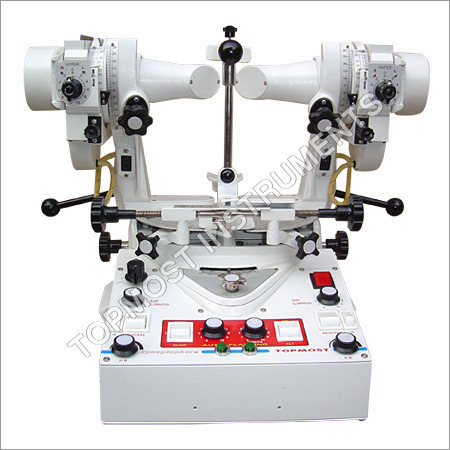
Tell us about your requirement

Price:
Quantity
Select Unit
- 50
- 100
- 200
- 250
- 500
- 1000+
Additional detail
Mobile number
Email

More Products in Oxygen Flowmeter Category

Medical Keratometer
Price 80000 INR / Unit
Minimum Order Quantity : 1 Unit
Driven Method : Electric
Technology : Laser
Material : MS
Sterilized : Yes

Motorized Operation Table
Minimum Order Quantity : 1 Piece
Driven Method : Electric
Technology : Laser
Material : MS
Sterilized : Yes
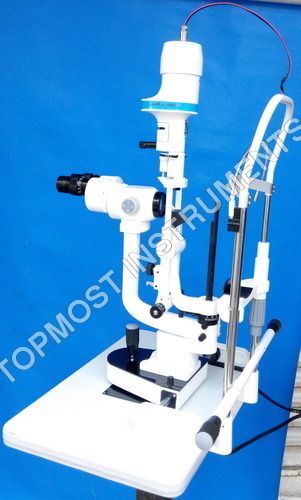
Slit Lamp Biomicroscopy
Minimum Order Quantity : 1 Unit
Driven Method : Electric
Technology : Digital
Material : MS
Sterilized : Yes

 Send Inquiry
Our Products

4284, Behind B.D. School, Cross Road 2, Ambala Cantt - 133001, Haryana, India

Mr. G. S. DHIMAN
(General Manager)
Mobile :08045802326
Mr. B. S. Dhiman
 Send Inquiry
 Send SMS
 Call Me Free
Developed and Managed by Infocom Network Private Limited.
